Pause optional scrubs, peels and acids that sting.
Skin Barrier Repair — Visual Guide
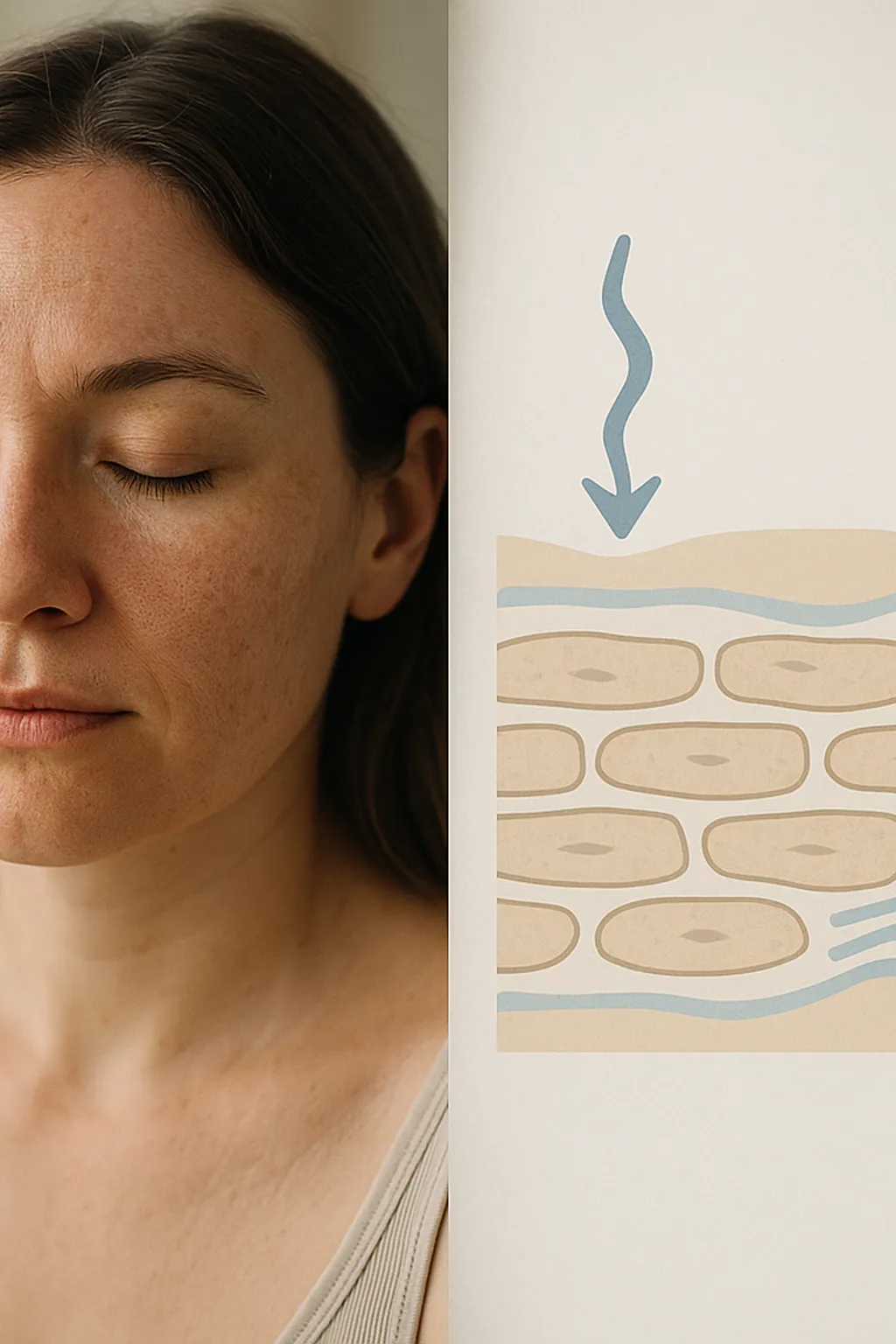
Visual model
What the barrier is trying to do
The outer barrier slows water loss and limits exposure to irritants. The image is a simplified educational model, not a microscopic photograph.
At a glance
The guide in numbers
- 4
- moisturizer roles
- 5
- reset steps
- 6
- red-flag clues
Humectant, emollient, occlusive, barrier lipids
A deliberately simple routine
Reasons not to self-label everything as barrier damage
Lower friction
What to simplify first
Use lukewarm water and a gentle cleanser.
Apply a moisturizer consistently.
Keep sunscreen that your skin already tolerates.
Reintroduce optional actives one at a time.
Routine comparison
Before and after simplifying the routine
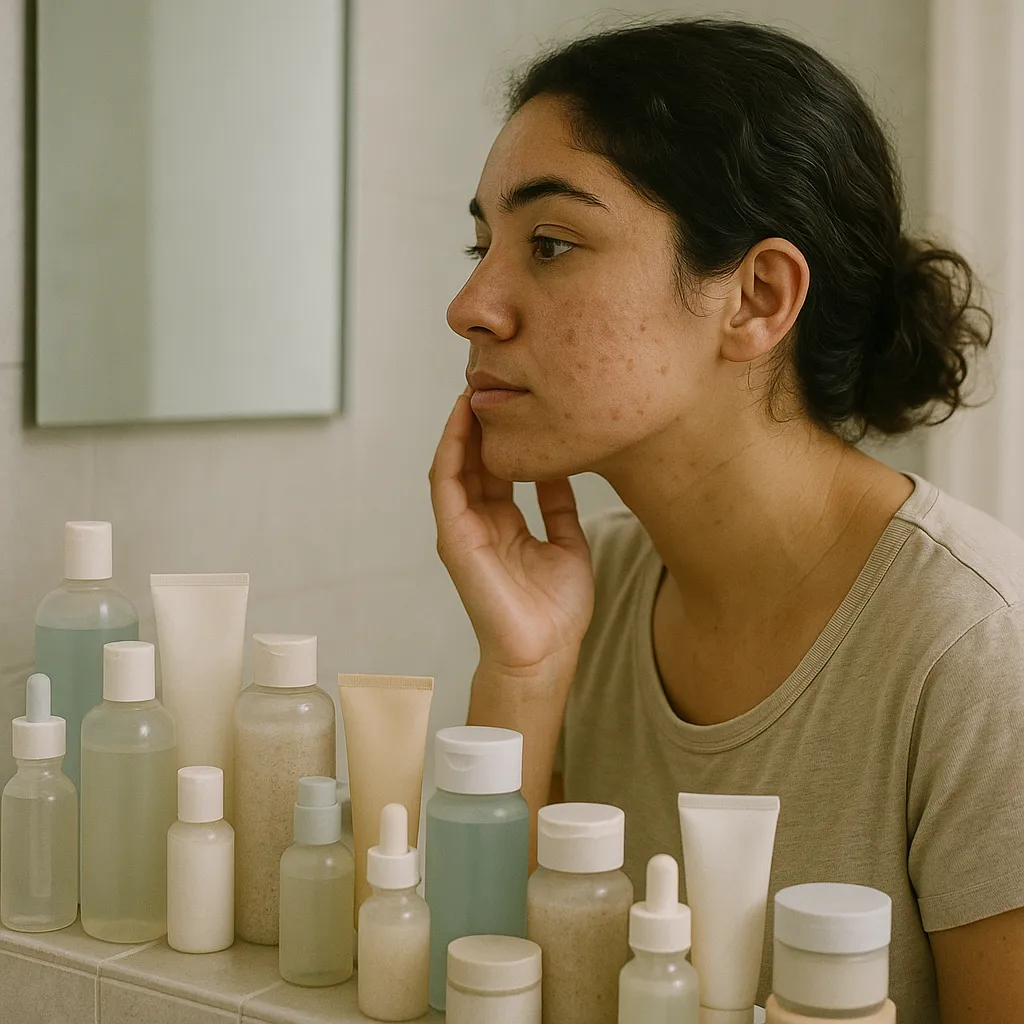 Higher-friction routine
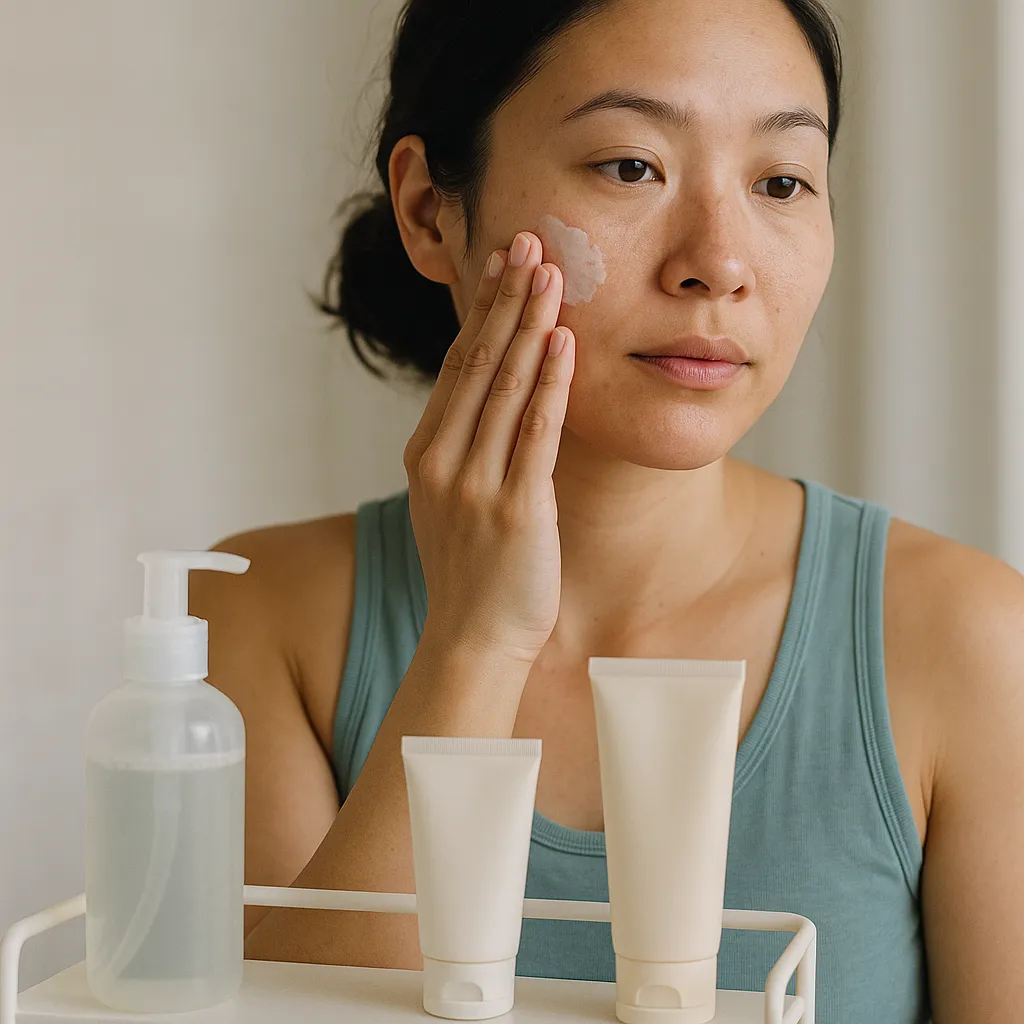 Lower-friction routine
This is a comparison of routine complexity, not a treatment-result before/after and not a promise of skin improvement.
Spreadsheet-style comparison
What moisturizer categories are actually doing
| Humectants | Emollients | Occlusives | Barrier lipids | |
|---|---|---|---|---|
| Main role | Hold water | Smooth surface | Reduce evaporation | Add skin-like lipids |
| Common example | Glycerin | Fatty emollients | Petrolatum | Ceramides |
| Useful for dryness | ✓ | ✓ | ✓ | ✓ |
| Must be present? | No | No | No | No |
| Evidence takeaway | Supportive | Supportive | Established role | Useful; formula matters |
Observation window
Watch the direction, not a magic countdown
First 24–48 hours
Reduce obvious irritation
Notice whether stinging and tightness become less frequent after obvious irritants are removed.
Days 3–7
Look for a trend
Dryness and roughness may begin to settle when irritation and dehydration were the main drivers.
Beyond a week
Reassess the explanation
Worsening, spreading or repeatedly returning symptoms deserve a better explanation than “damaged barrier.”
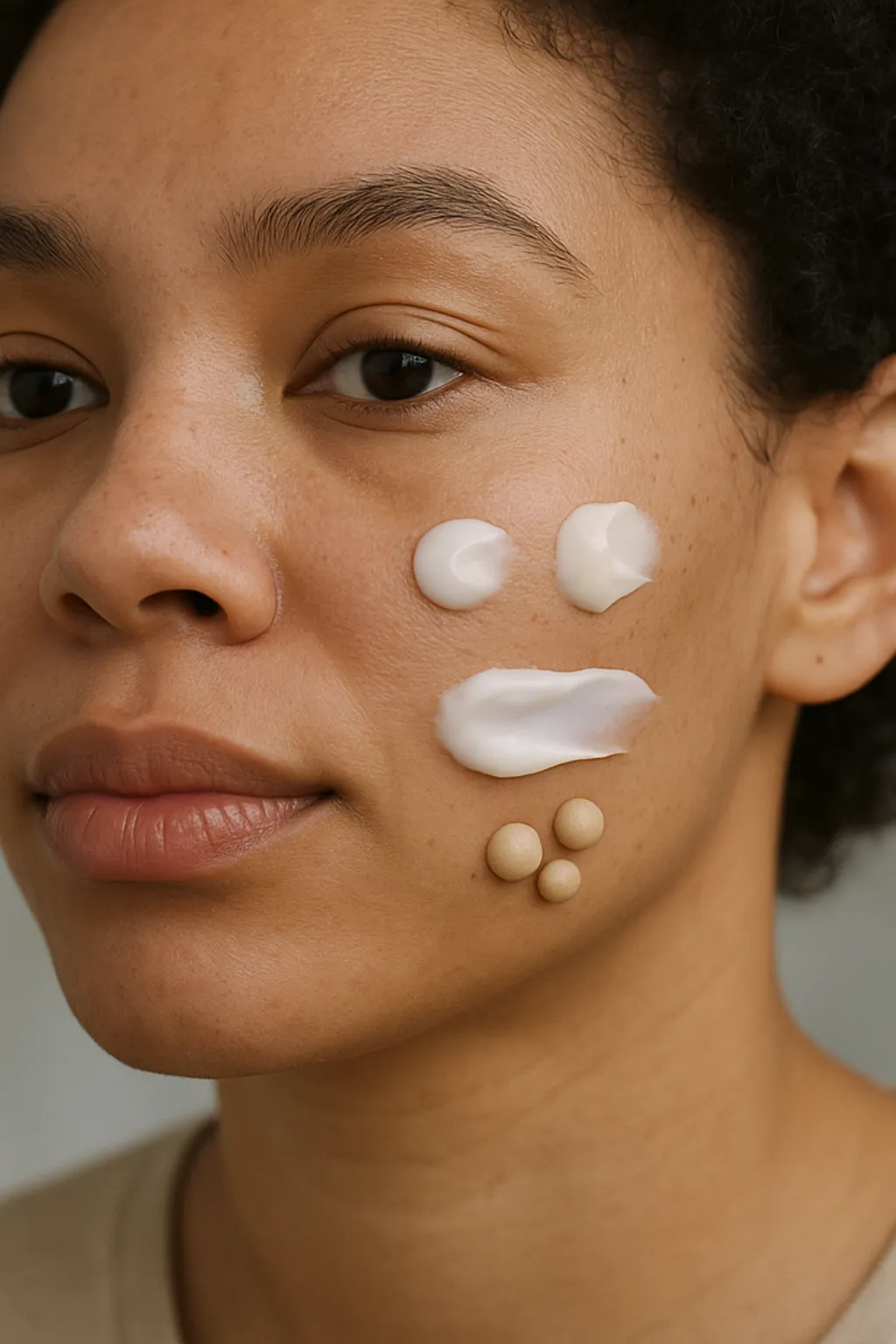
Visual digest
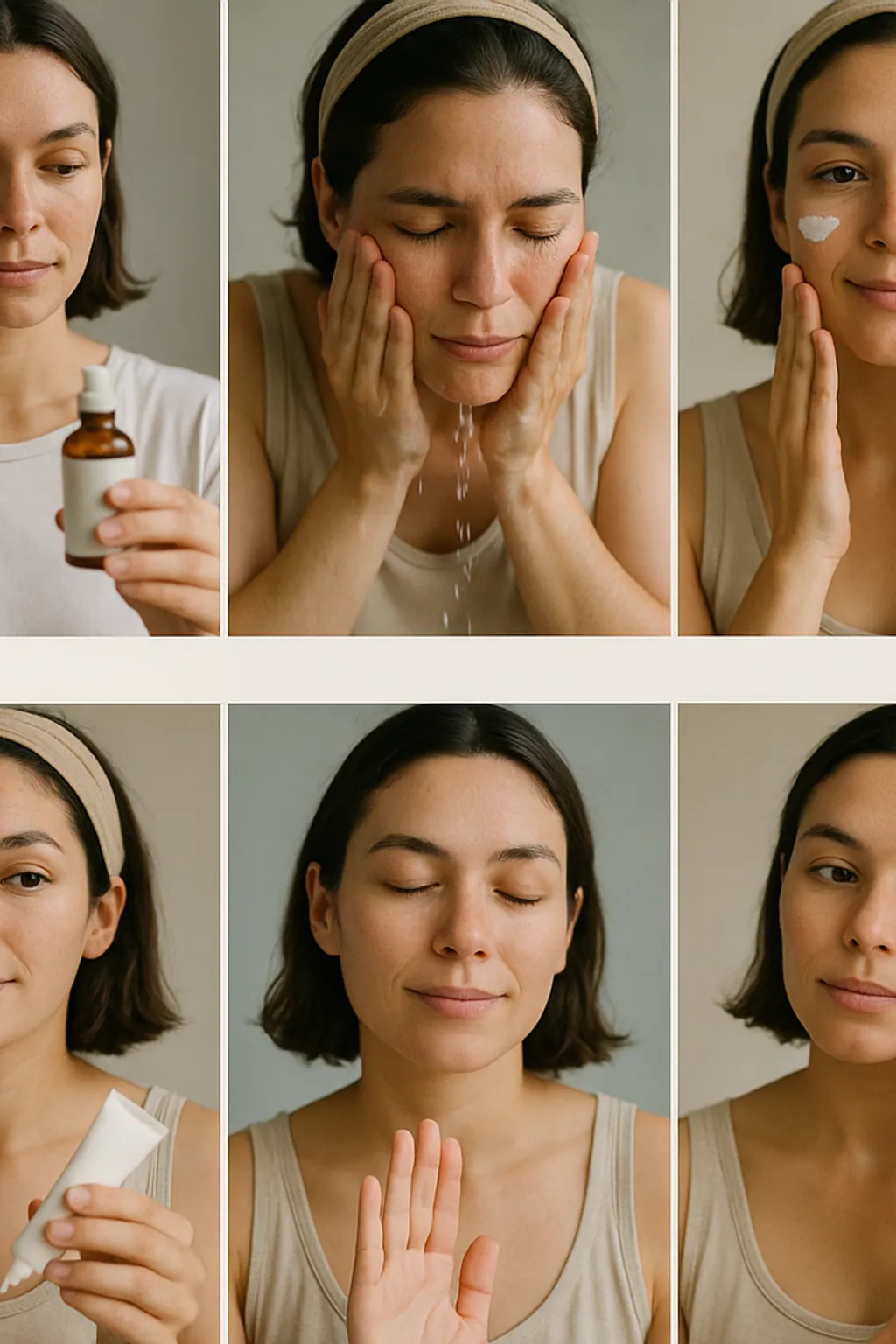
Three ways to think about barrier support
Common questions
- Do I need ceramides?
No single ingredient is required for everyone. Ceramides are physiologically relevant and can be useful, but regular moisturization itself matters.
- Should I stop retinoids forever?
Usually not. If a retinoid is irritating your skin, a temporary reduction or pause may make sense; reintroduction depends on why you use it and how your skin responds.
- Does stinging prove the barrier is damaged?
No. Stinging can accompany irritation or barrier disruption, but it is not a specific diagnostic test.
Mechanical test
A mixed-content block
Barrier care is usually less about finding one perfect ingredient and more about reducing irritation while maintaining hydration.
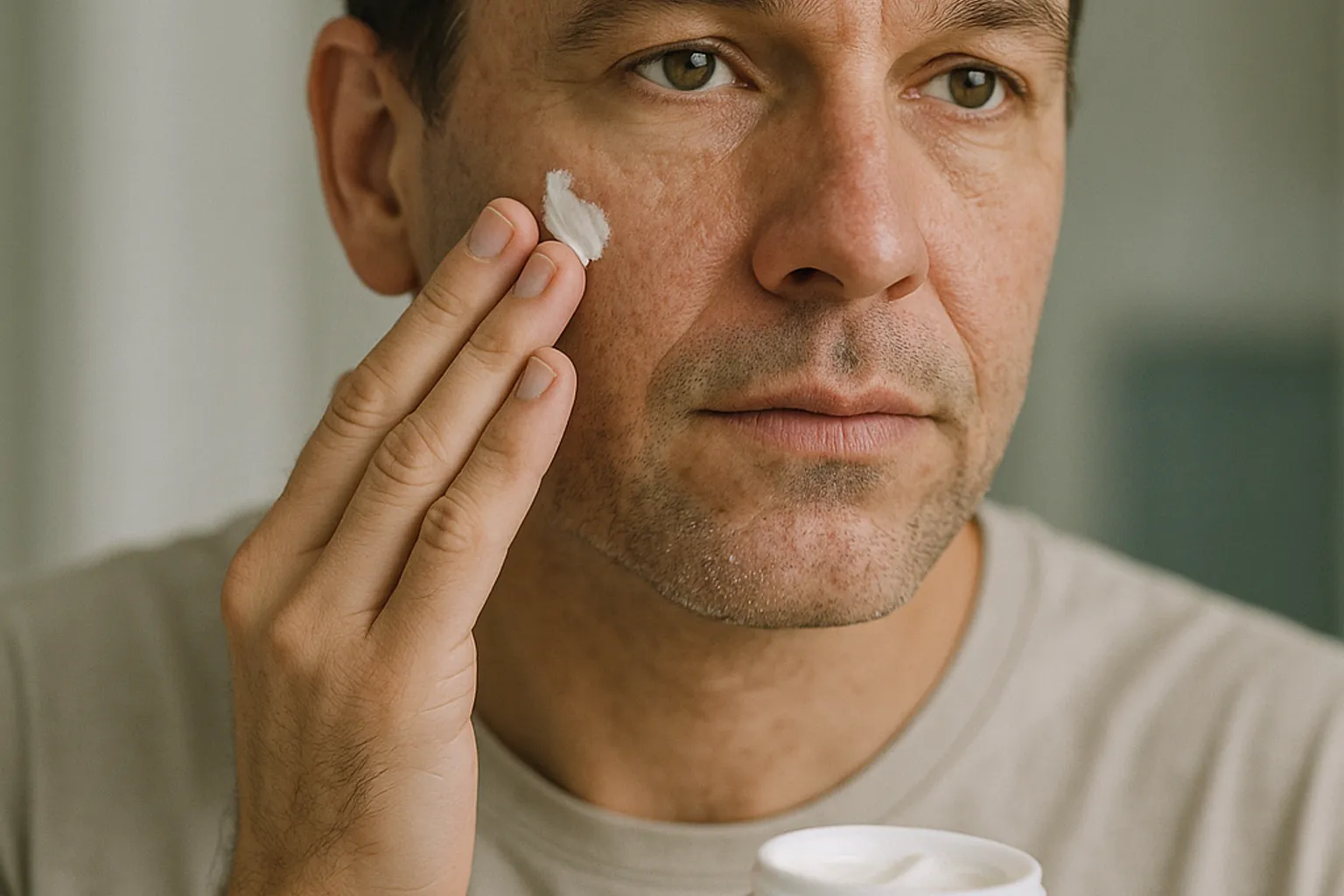
Different moisturizer categories can contribute in different ways. They are not mutually exclusive and no single category is mandatory for everyone.