Skin Barrier Repair: What Actually Helps — and What the Marketing Adds
An evidence-led guide to skin-barrier repair: what the barrier does, what tends to help, how long recovery can take, and which product claims deserve more skepticism.
3 min read By Dr. Lurie Science skin-health #skin-barrier #dry-skin #sensitive-skin #skincare-basics #moisturizers
Skin science
“Barrier repair” is useful — but it is not a diagnosis
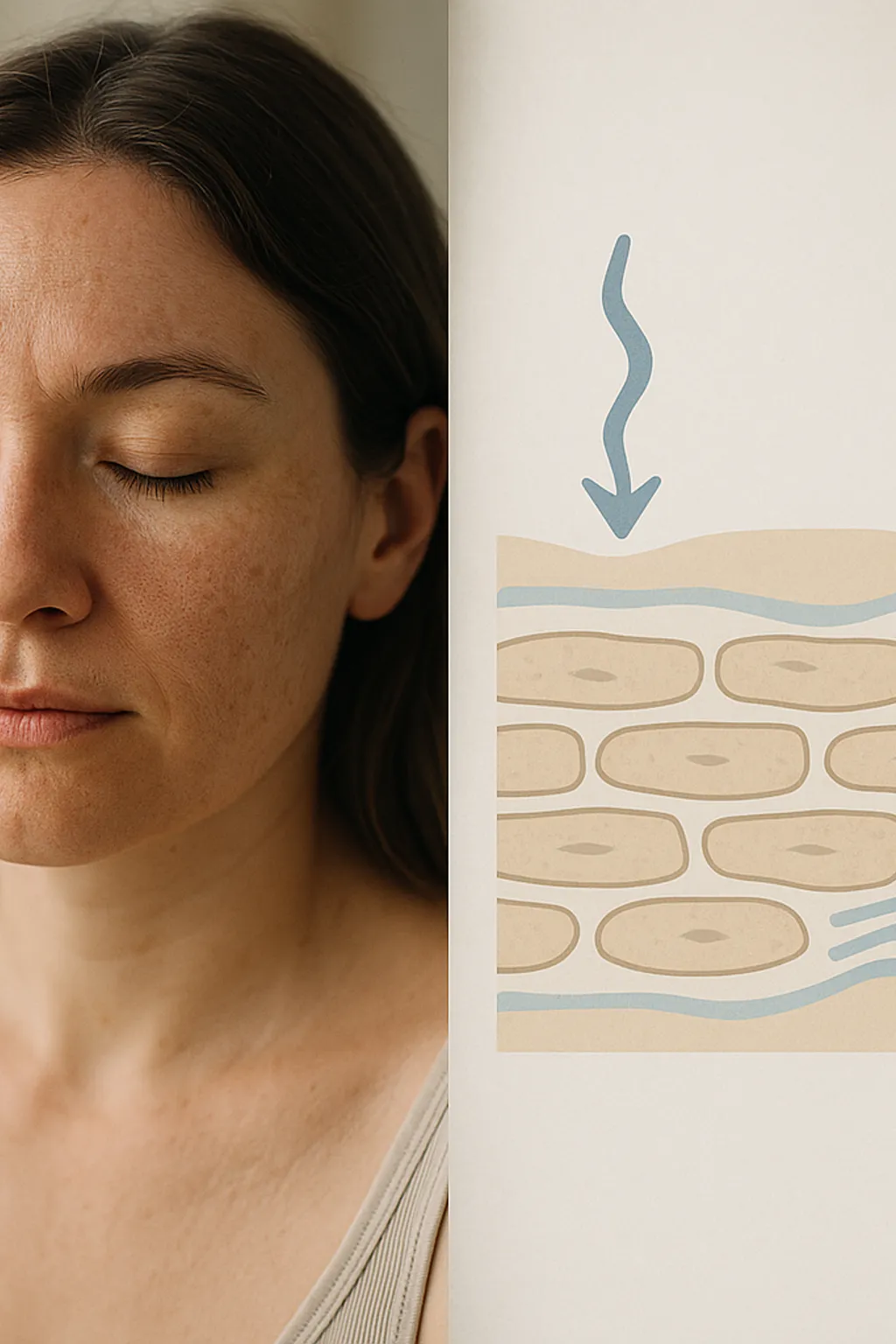
The skin barrier is mostly the outer stratum corneum: flattened cells held within an organized lipid matrix. Its job includes slowing water loss and limiting the entry of irritants.
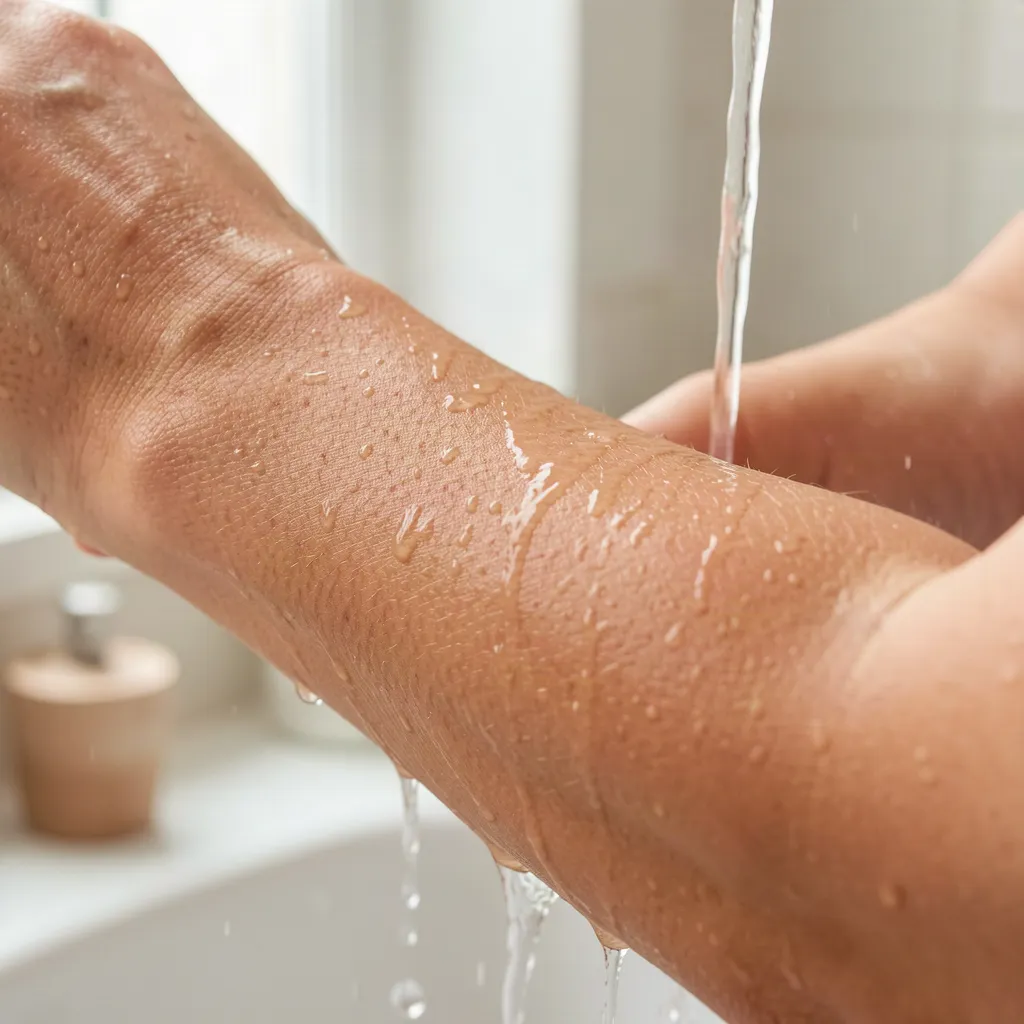
When that system is temporarily disrupted, skin can feel dry, tight, rough, itchy or unusually reactive. Those signs are real, but they are not specific. Eczema, contact dermatitis, medication effects, weather, over-cleansing and other problems can look similar.
The practical goal is therefore not to “seal” the skin with the most elaborate product. It is to reduce avoidable stress while giving the outer layer enough water and lipids to function normally again.
The wall model is imperfect, but still useful
A common analogy describes corneocytes as bricks and extracellular lipids as mortar. The lipid mixture includes ceramides, cholesterol and free fatty acids. Ceramides are an important part of this matrix, which is why they appear so often in barrier-focused products.
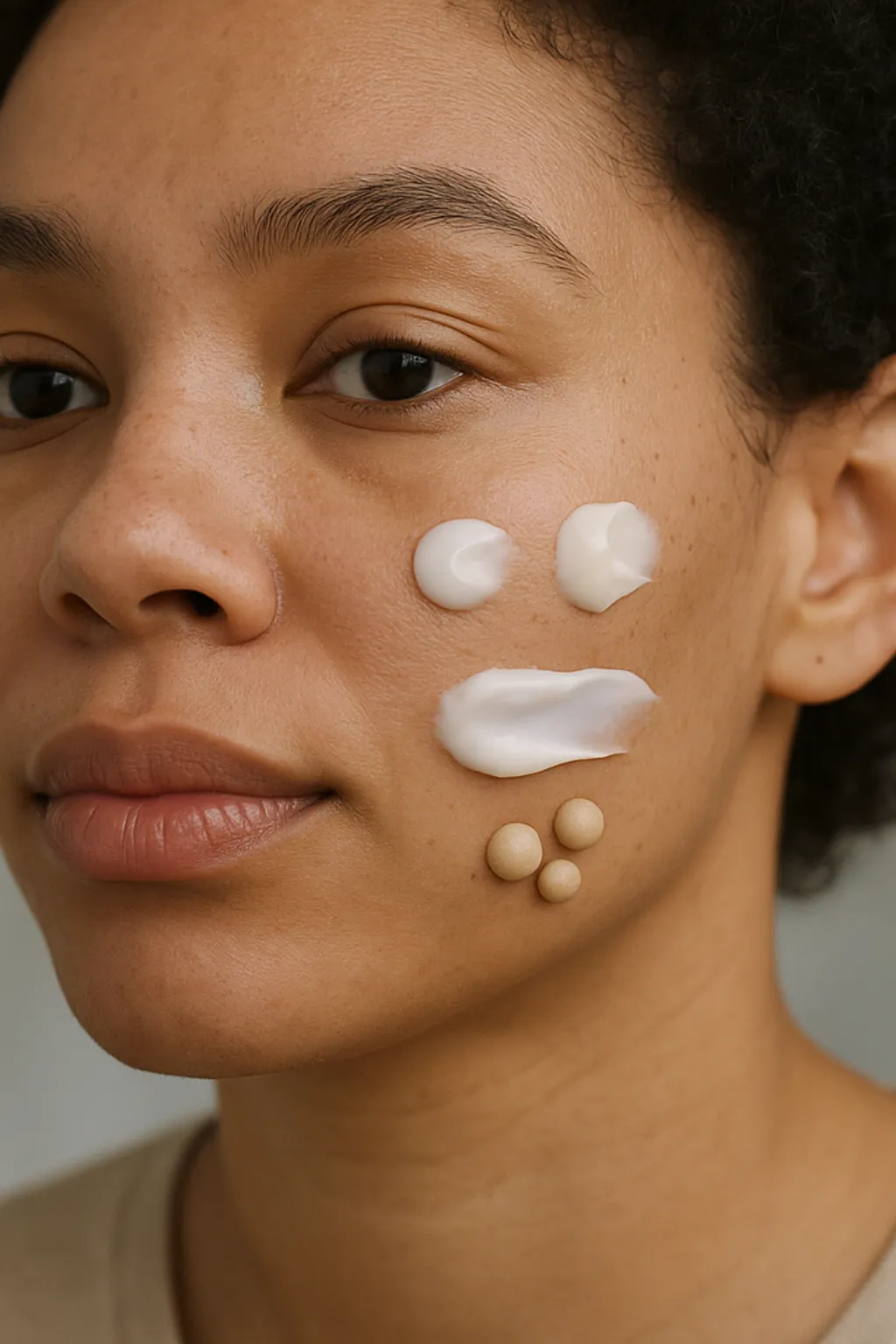
But a moisturizer does not need to reproduce the barrier molecule-for-molecule to be useful. Hydration, occlusion and regular application can all matter. Controlled studies of dry skin suggest that moisturizers can improve dryness even when their formulations differ.
A seven-day lower-friction reset
For a short period, simplify rather than add.
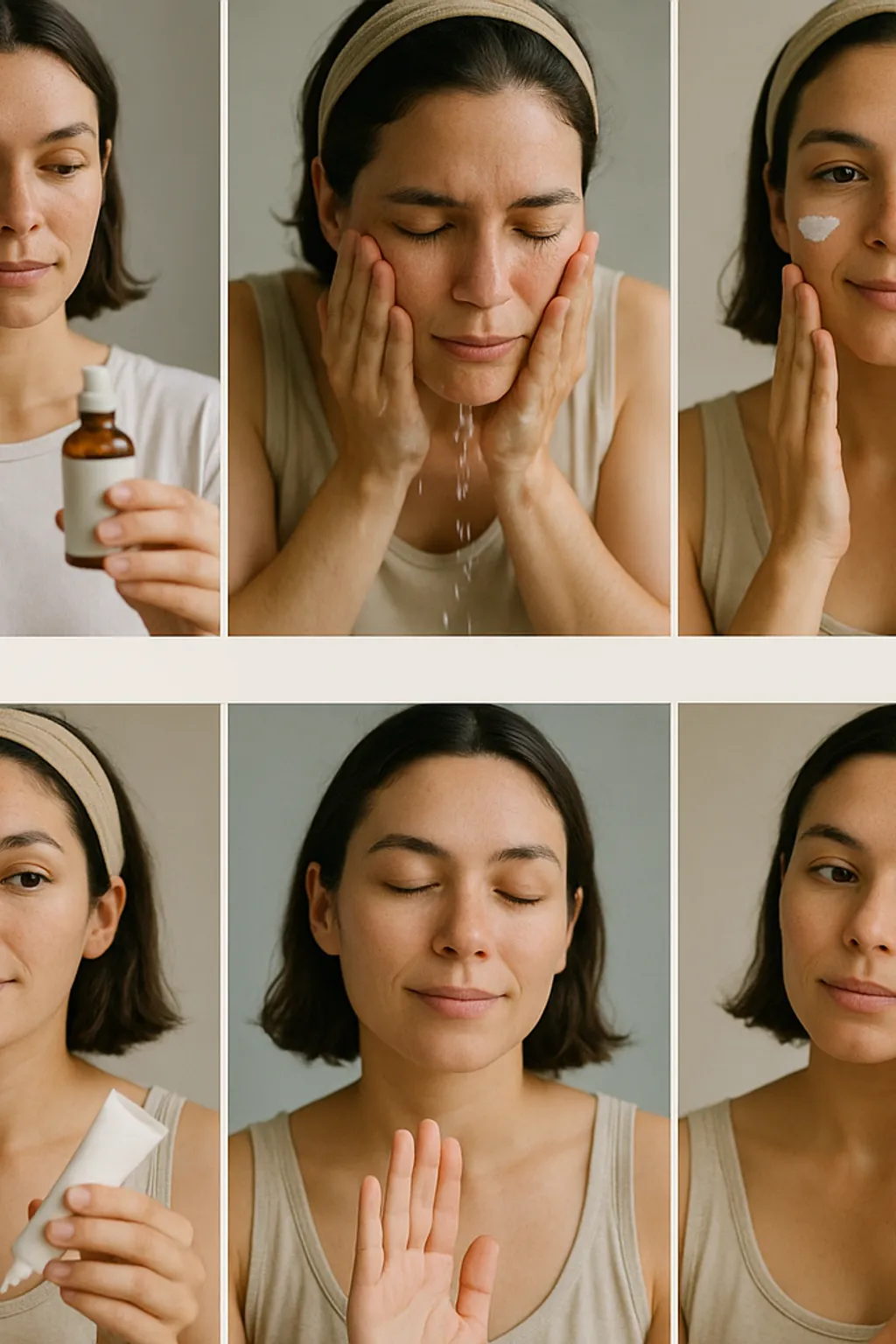
1. Pause optional scrubs, peels and acids that sting.
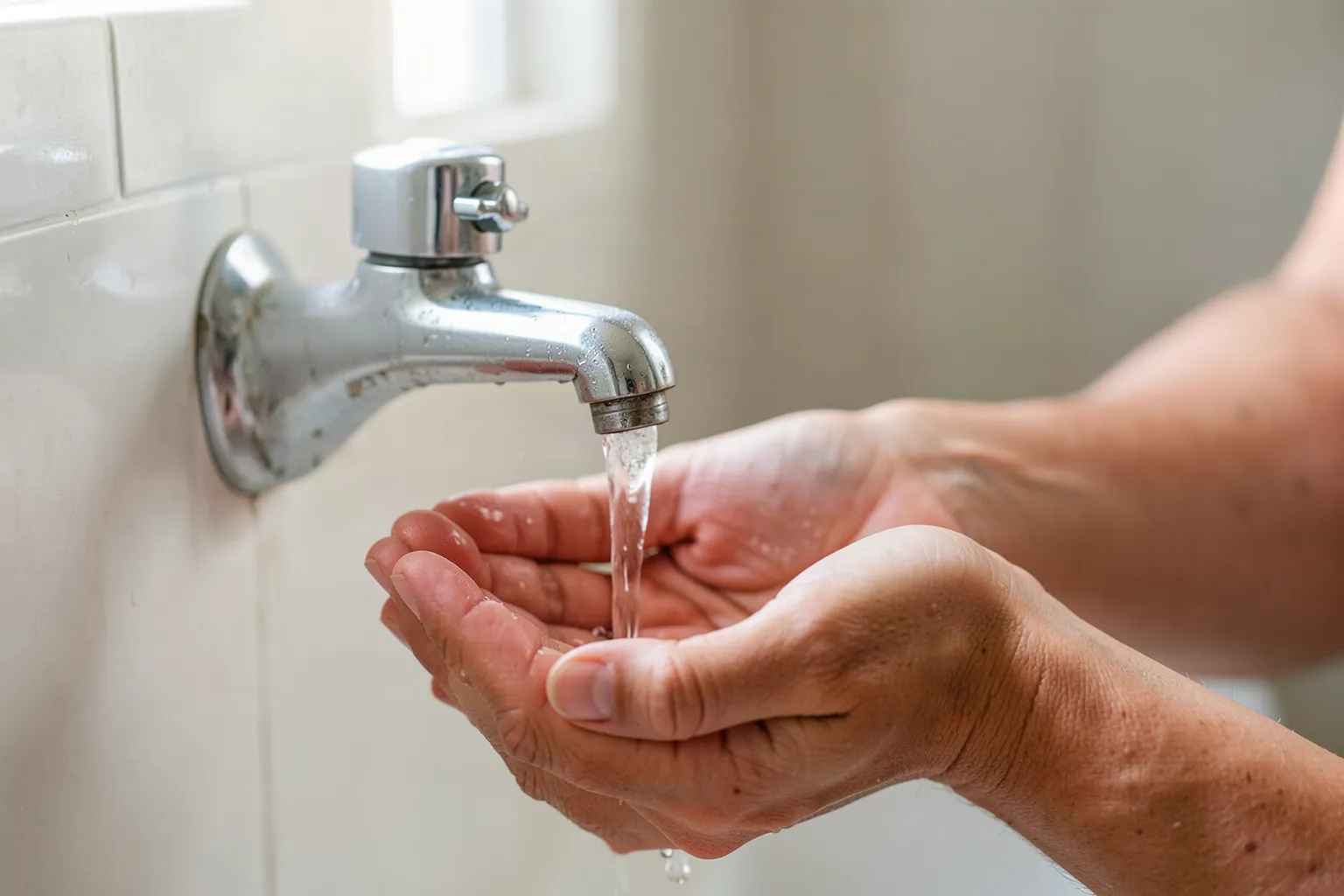
2. Cleanse only as much as needed, with lukewarm water and a gentle cleanser.
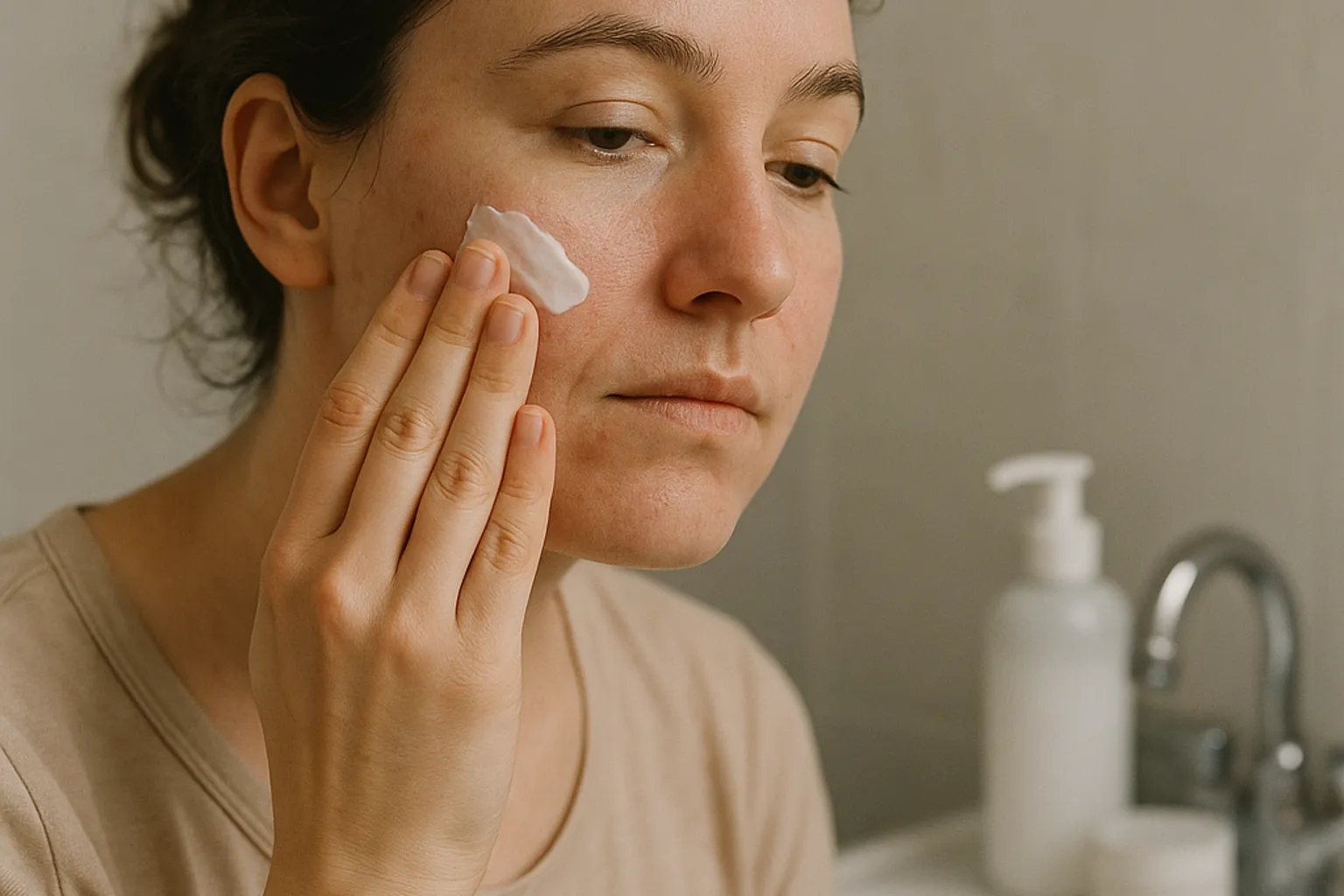
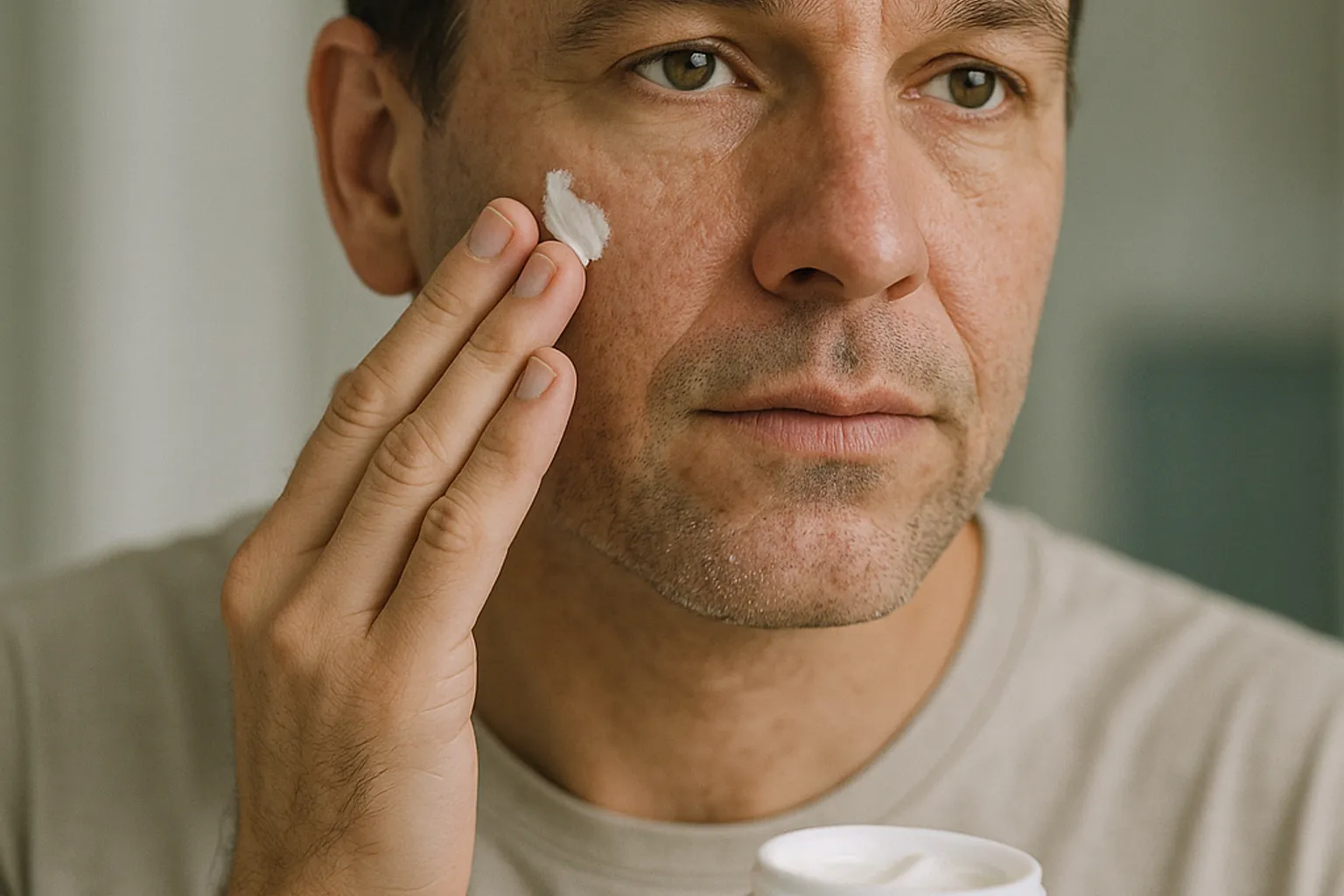
3. Apply a moisturizer after washing, while skin is still slightly damp if that feels comfortable.
4. Use sunscreen you already tolerate on exposed skin.
5. Reintroduce optional actives one at a time after the skin feels stable again.
Seven days is not a biological promise. It is simply a useful observation window. Some irritation settles quickly; eczema, allergic reactions and other conditions may not.
What the marketing often adds
Terms such as “barrier repair,” “microbiome friendly,” “skin identical” and “ceramide complex” can describe real formulation ideas, but they do not tell you how well the finished product was tested.
A long ingredient list is not automatically more restorative. A high price is not evidence of a faster repair process. And a product that feels soothing can still contain ingredients that are unhelpful for a particular person.
For most dry or reactive skin, the first test is simple: does a basic routine make the skin feel progressively more comfortable without creating new irritation?
Related reading
For more detail on what the barrier is doing and how everyday exposures affect it, continue with the related Dr. Lurie guides.
Sources
The role of ceramides in the disruption of the cutaneous permeability barrier — Frontiers in Physiology / PubMed Central, 2024.
Directional assessment of the skin barrier function in vivo — Skin Research and Technology / PubMed Central, 2023.
Dermatologists' top tips for relieving dry skin — American Academy of Dermatology.
A daily regimen of a ceramide-dominant moisturizing cream and cleanser restores the skin permeability barrier in adults with moderate eczema — Dermatologic Therapy, 2021.
Moisturizers are effective in the treatment of xerosis irrespectively from their particular formulation — JEADV, 2015.