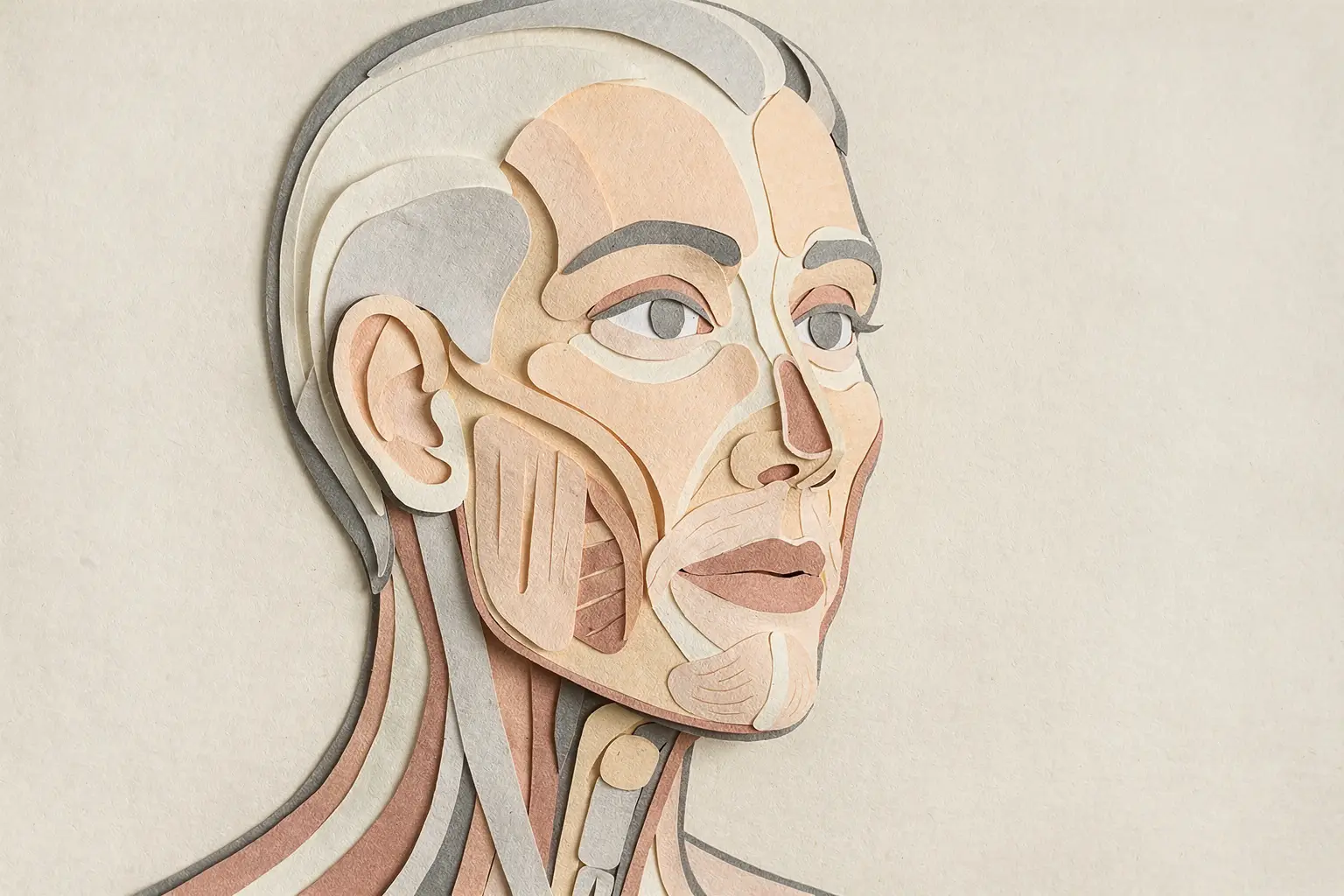
Skin after 40: what actually changes

What changes in skin after 40 — collagen, oil, hydration, and menopause — explained plainly.

1 min read skin-after-40 #skin-after-40 #menopause
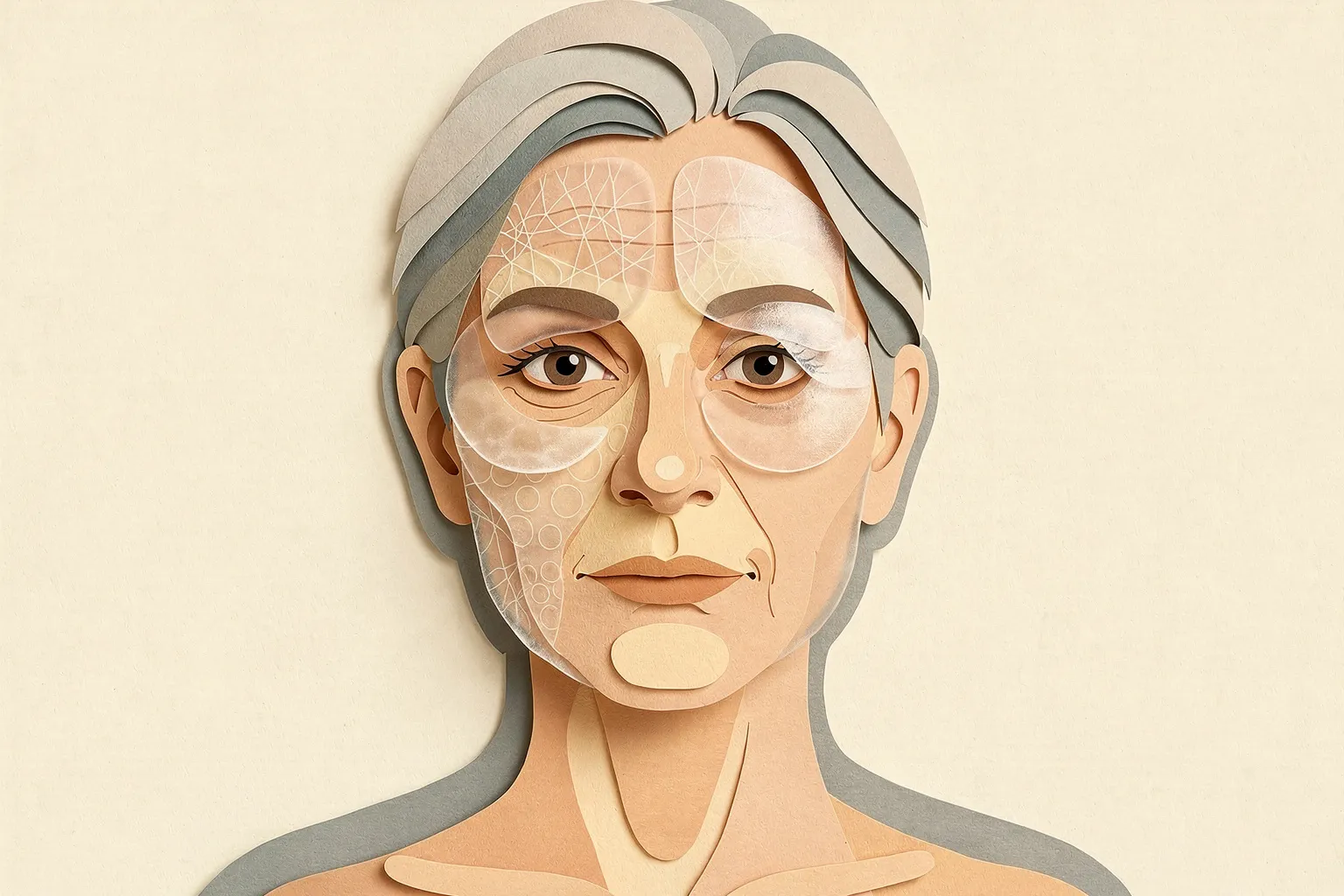
What changes in skin after 40 — collagen, oil, hydration, and menopause — explained plainly.

Skin after 40

Skin in your forties is not failing. It is running on a different hormonal budget, and a few informed adjustments go a long way.

What shifts

Collagen production slows, so skin loses some of its bounce. Oil glands quiet down, so skin that was once shiny turns dry. Around menopause, falling estrogen accelerates both — often noticeably, over a couple of years.

What helps most

  • A richer moisturizer, because the skin no longer makes as much of its own oil.
  • Daily sunscreen, which prevents far more visible aging than any serum reverses.
  • A retinoid, the best-studied ingredient for collagen — started slowly.

What changes — and what can help

ChangePractical support
CollagenProduction slowsSunscreen + retinoid
OilOften decreasesRicher moisturizer
Hormonal transitionCan accelerate shiftsAdjust routine; discuss symptoms

Common questions after 40

Does drier skin mean my products stopped working?

Not necessarily. Oil production and hydration can change with age, so a routine that once felt sufficient may simply need more moisture support.

Is every change caused by menopause?

No. Hormonal change can matter, but sun exposure, routine, health, medication and ordinary aging also contribute.

Do I need a more complicated routine?

Usually not. Consistent moisturizer, sunscreen and a carefully introduced retinoid cover many of the practical basics.

None of this is about turning back a clock. It is about giving skin the support it used to make for itself. That is a reasonable, achievable goal.
Explore the library

Back to Library

Continue with the evidence

Related reading

Three nearby topics selected from the published library.