How to Read Skincare Claims Without Getting Pulled In
A calm, practical guide to decoding skincare marketing claims, understanding appearance versus treatment language, and asking better evidence-based questions before trusting a product label.
8 min read By Dr. Lurie
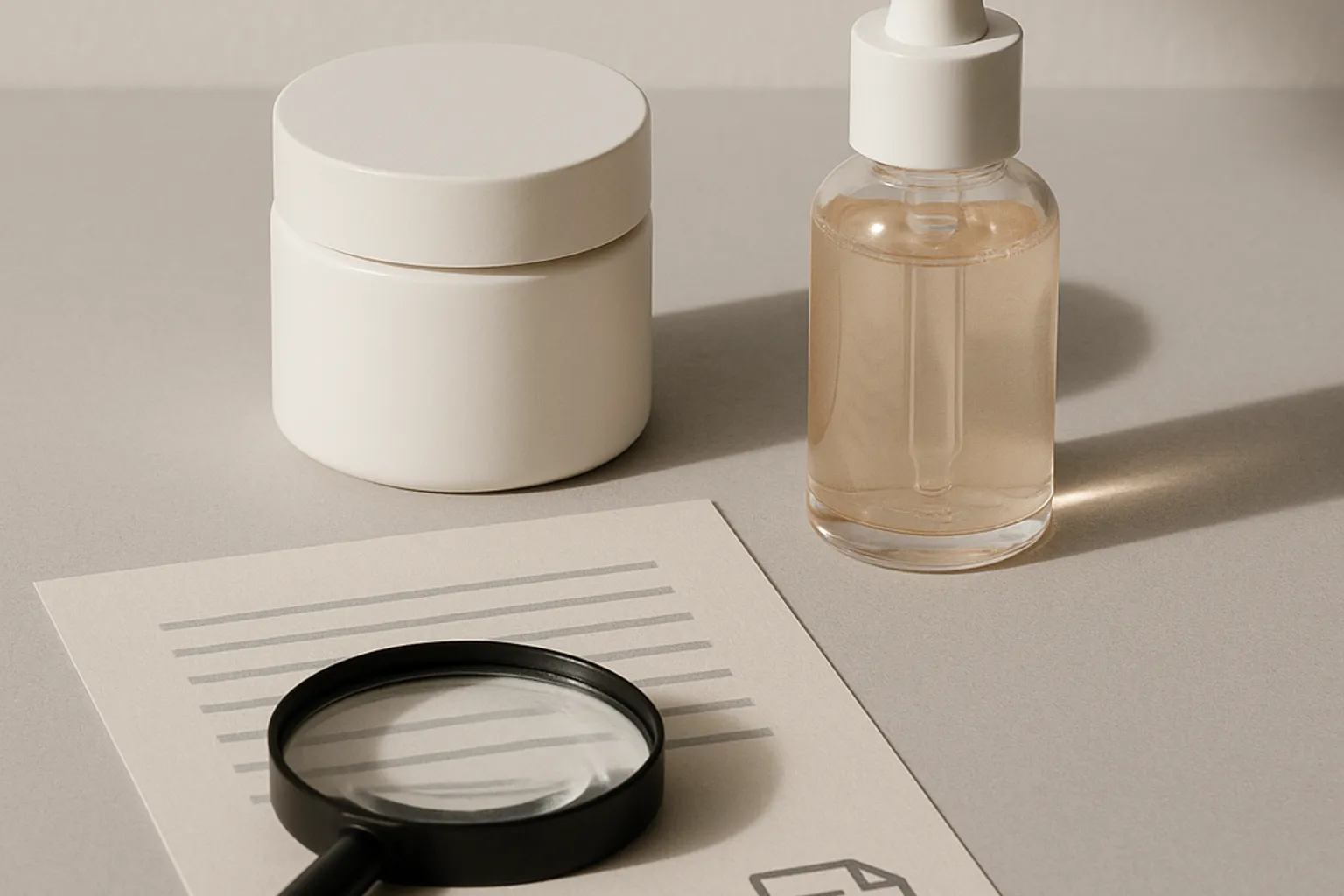
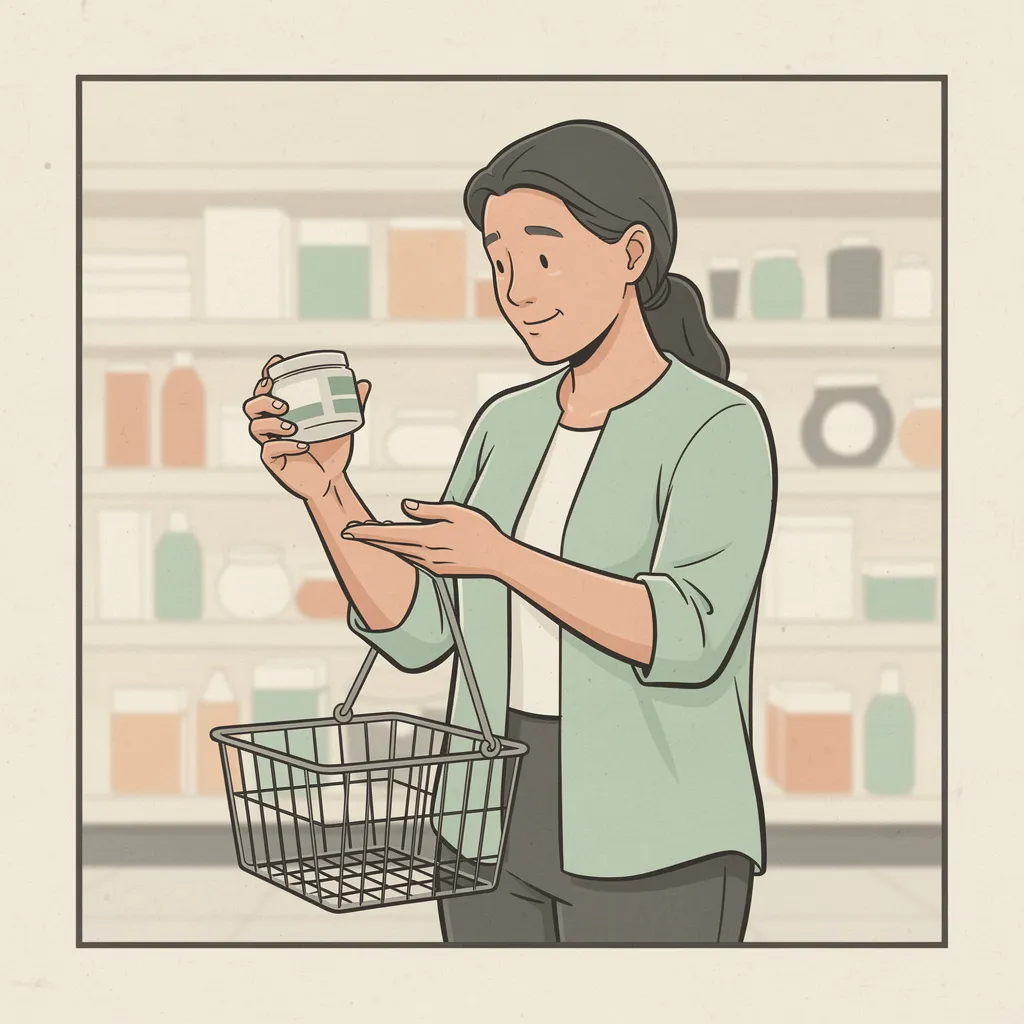
A skincare label can make a small jar feel like a medical decision.
You may see phrases about visible results, barrier support, smoother-looking skin, or formulas tested in a lab. Some of those phrases may point to useful information. Others may be too broad to tell you much on their own.
The goal is not to distrust every product. It is to slow the claim down long enough to ask what is actually being promised, what evidence would support that promise, and whether it applies to your skin.
Not every skincare claim is making the same kind of promise
A helpful first step is to sort the claim into a general category.
Some claims are about appearance. A product may say skin looks smoother, brighter, calmer, or more even. Those words usually describe how the skin appears, not whether a medical condition is being treated.
Some claims are about comfort or support. For example, a moisturizer may talk about supporting the skin barrier or helping skin feel less dry. These can still be meaningful, but they should make you ask how that support was measured and in whom.
Other claims sound closer to treatment. Language about clearing acne, treating eczema, changing pigmentation disorders, or managing rosacea sits in a different zone. If a claim would change how you manage a skin condition, it is worth bringing that product or claim to your dermatologist.
Why the wording matters
In the United States, cosmetics and drugs are defined differently under federal law, in part by their intended use. A cosmetic is generally intended for cleansing, beautifying, promoting attractiveness, or altering appearance. Drug language generally points toward diagnosing, treating, preventing, or otherwise affecting disease or the structure or function of the body.
That difference is one reason label wording can be so careful. “Helps skin look smoother” is not the same kind of statement as “treats eczema” or “clears acne.” The first is usually an appearance claim. The second points toward a medical or treatment claim.
For a reader, the practical question is simple: is this product claiming to change how your skin looks, how it feels, or how a condition behaves?
That question matters because the evidence you would want is different. A cosmetic appearance claim may be supported by consumer perception, imaging, or measurements of hydration or texture. A treatment claim should be held to a more specific standard, especially if you have a diagnosed condition or symptoms that are changing.
Scientific-sounding words are prompts for questions, not proof
Words like “tested,” “targeted,” “visible,” “advanced,” “barrier,” and “dermatologist-tested” can sound reassuring. They may reflect real work behind the formula. They do not, by themselves, tell you how strong the evidence is.
A better response is to turn the phrase into a question.
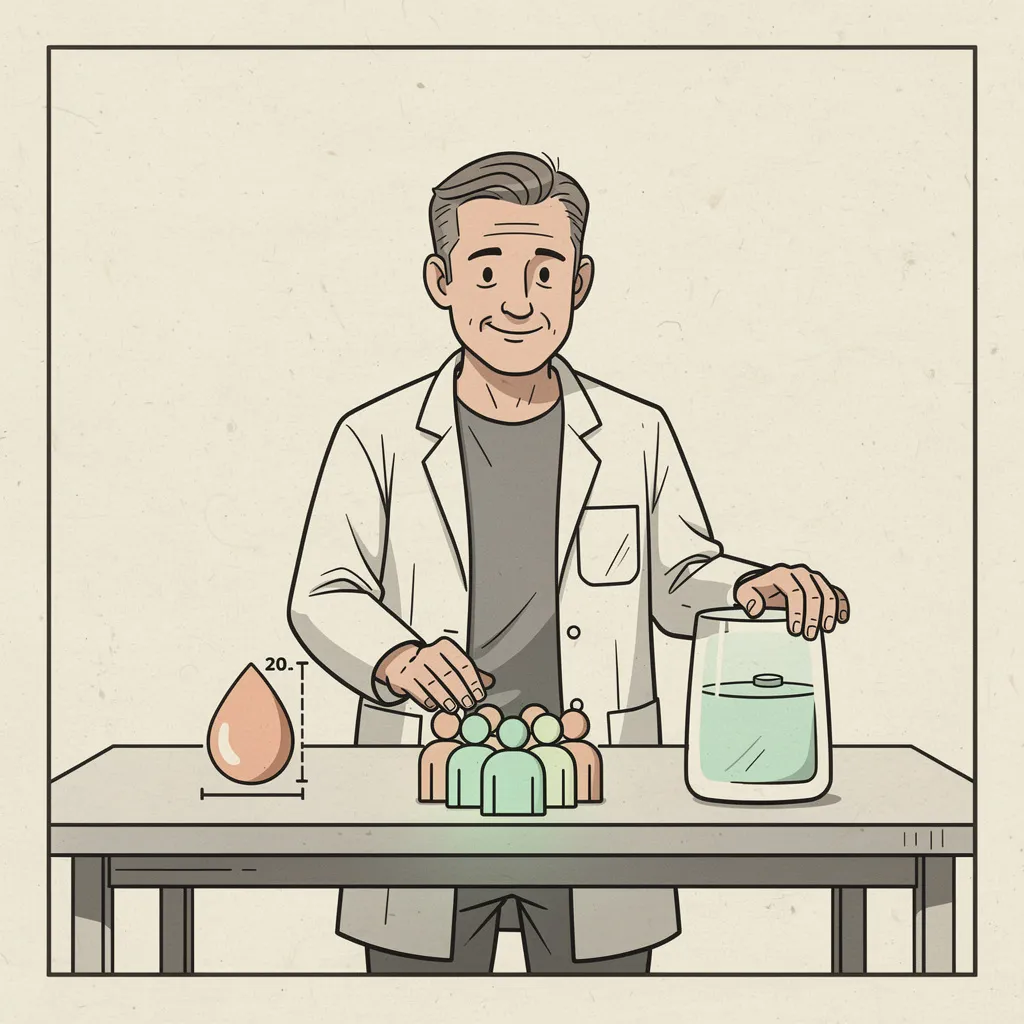
If a product says it was tested, ask what kind of test was done. Was it a user survey, an instrument measurement, a small in-use study, or something else?
If a product says results are visible, ask what changed, how soon, and compared with what. A visible improvement in dryness after moisturizing is a different claim from a visible change in redness, acne, or dark spots.
If a product says it supports the skin barrier, ask what ingredients might plausibly help with dryness or barrier comfort, and whether the claim is about a feeling, a measurement, or both.
Here is a simple translation habit: if a label says a product helps skin look smoother, the next question is not whether the phrase sounds impressive. It is what “smoother” means, how it was assessed, and whether the result was measured on the finished product or inferred from an ingredient.
This is not about needing to become a scientist before buying a moisturizer. It is about noticing when a word sounds precise but still leaves the most important details unanswered.
Evidence should match the exact promise
The Federal Trade Commission has long stated that advertisers should have a reasonable basis for objective advertising claims before making them. For health-related claims, the FTC’s guidance emphasizes that the support should be competent and reliable for the specific claim being made.
In everyday terms, this means the evidence should match the sentence on the label.
If the promise is about hydration, evidence about hydration is more relevant than evidence about a single ingredient’s general popularity. If the promise is about the appearance of fine lines, evidence about appearance is more relevant than a broad statement that the product is “science-backed.”
Be careful with claims that rely on a true fact but stretch it farther than the evidence goes. An ingredient may have studies behind it, but that does not always mean every finished formula with that ingredient will give the same result for every person.
The absence of visible evidence does not automatically mean a product is bad. It simply limits how much weight you should give the claim.
A four-beat claim check

Ingredient evidence is not always finished-product evidence
Ingredient research can be useful. It can tell you whether an ingredient has a plausible role, what outcomes have been studied, and what kinds of skin may tolerate it.
But a skincare product is more than a list of ingredients. Concentration, formula stability, packaging, how the product is used, and the rest of your routine may all affect what you experience. Your skin barrier, sensitivity, and underlying conditions matter too.
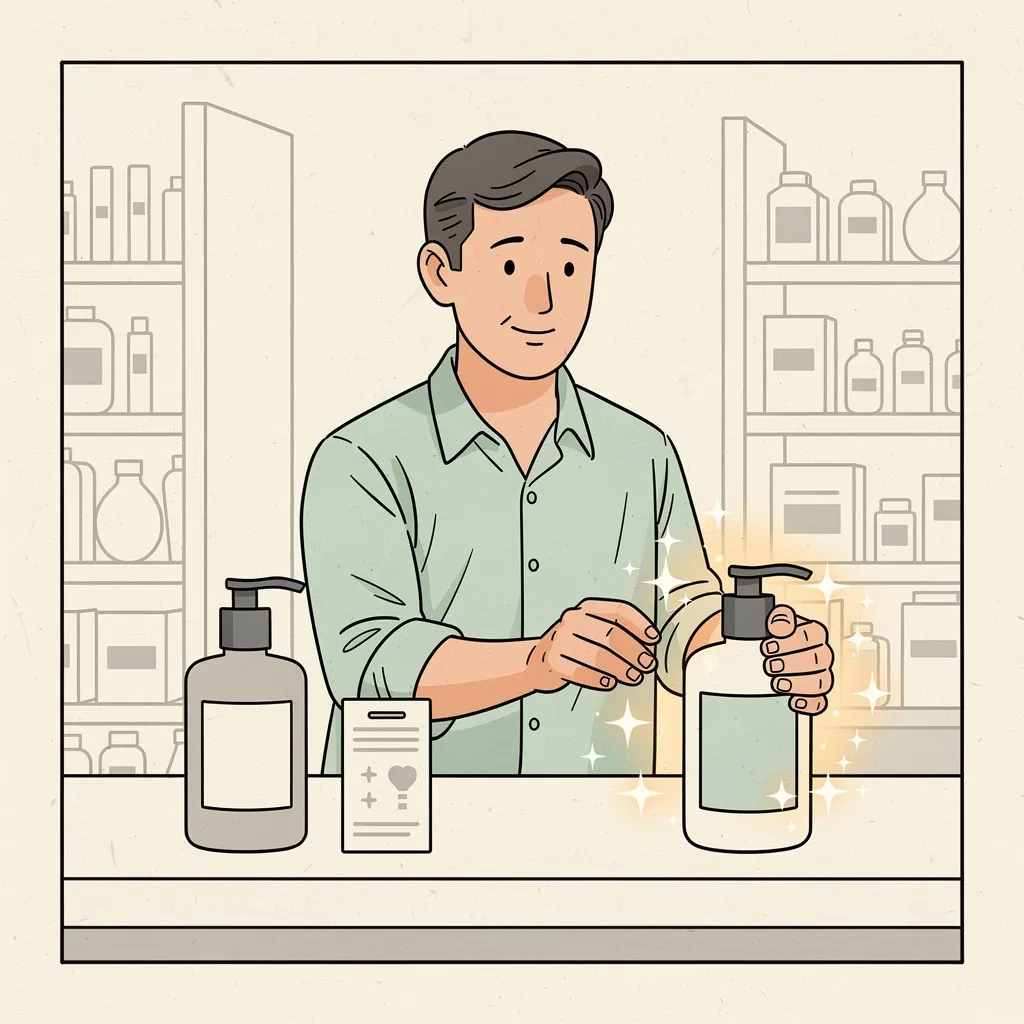
So when a product leans heavily on one ingredient, ask whether the claim is about the ingredient in general or the finished product in your hand.
A cautious, useful version of the claim might sound like this: studies suggest this ingredient can help with a specific outcome in some settings, and this formula includes it. A less useful version jumps straight from the ingredient name to a broad promise for everyone.
A simple checklist for reading a skincare claim
When a claim catches your attention, pause and ask these questions:
• What exactly is being promised: appearance, comfort, support, or treatment?
• Is the claim specific enough to check, or is it mostly a reassuring phrase?
• What was measured: hydration, texture, redness, user satisfaction, photos, or something else?
• Who was studied or surveyed, and do they seem similar to you?
• Is the evidence about the finished product, or only about one ingredient?
• Does the claim describe an average result, or does it imply that everyone will respond the same way?
• Could the product irritate your skin or conflict with prescription-strength ingredients in your routine?
You do not need a perfect answer to every question. Often, the checklist simply tells you whether a claim is strong, modest, or too vague to guide your decision.
A few terms that deserve a slower read
Some label terms are especially easy to overread.
“Dermatologist-tested” may signal that a dermatologist was involved in some way, but the phrase does not tell you what was tested, how many people were included, or whether the product is right for your skin.
“Clinical” can sound more rigorous, but the word alone does not tell you the study size, design, comparison group, independence, or outcome measured. You still need the details.
“Natural” and “clean” are not substitutes for evidence or tolerability. Plant-derived ingredients can irritate some people, and synthetic ingredients can be appropriate in a well-formulated routine.
“Hypoallergenic” may be meant to signal a lower chance of irritation, but individual reactions still vary. If you have a history of dermatitis, allergies, or frequent stinging from products, your own pattern matters more than the front label.
When to ask your dermatologist
Most everyday skincare choices do not need to feel high-stakes. A gentle cleanser or moisturizer that your skin tolerates can be a practical part of a routine, even if the label language is not perfect.
But some situations deserve more care. Ask your dermatologist before relying on a product claim to manage acne, eczema, rosacea, persistent irritation, changing spots, pregnancy-related skin changes, or anything involving prescription-strength ingredients or procedures.
It is also reasonable to ask for help if your routine keeps causing burning, peeling, swelling, or worsening redness. Those symptoms can have more than one cause, and a label cannot diagnose your skin.
If you bring the product with you, focus the conversation on the claim. Ask: does this evidence matter for my skin, and is this ingredient or routine appropriate for me?
The goal is clearer interpretation, not cynicism
Skincare claims are not all empty, and they are not all equally useful. Some are specific, measured, and modest. Others sound impressive but do not give you enough information to make a confident choice.
A good label-reading habit is to translate the claim into plain language: what is promised, what evidence would support it, and whether that evidence applies to your skin.
That small pause can help you build a routine around what your skin needs, rather than around the loudest phrase on the package.