Lower the friction
Pausing scrubs, peels and stinging acids is a low-risk first step that many dermatology sources describe for irritated skin.
Evidence-led skin health
A short, honest guide to what the research suggests about dry, tight or reactive skin, and what it cannot yet tell us.
Start here
Pausing scrubs, peels and stinging acids is a low-risk first step that many dermatology sources describe for irritated skin.
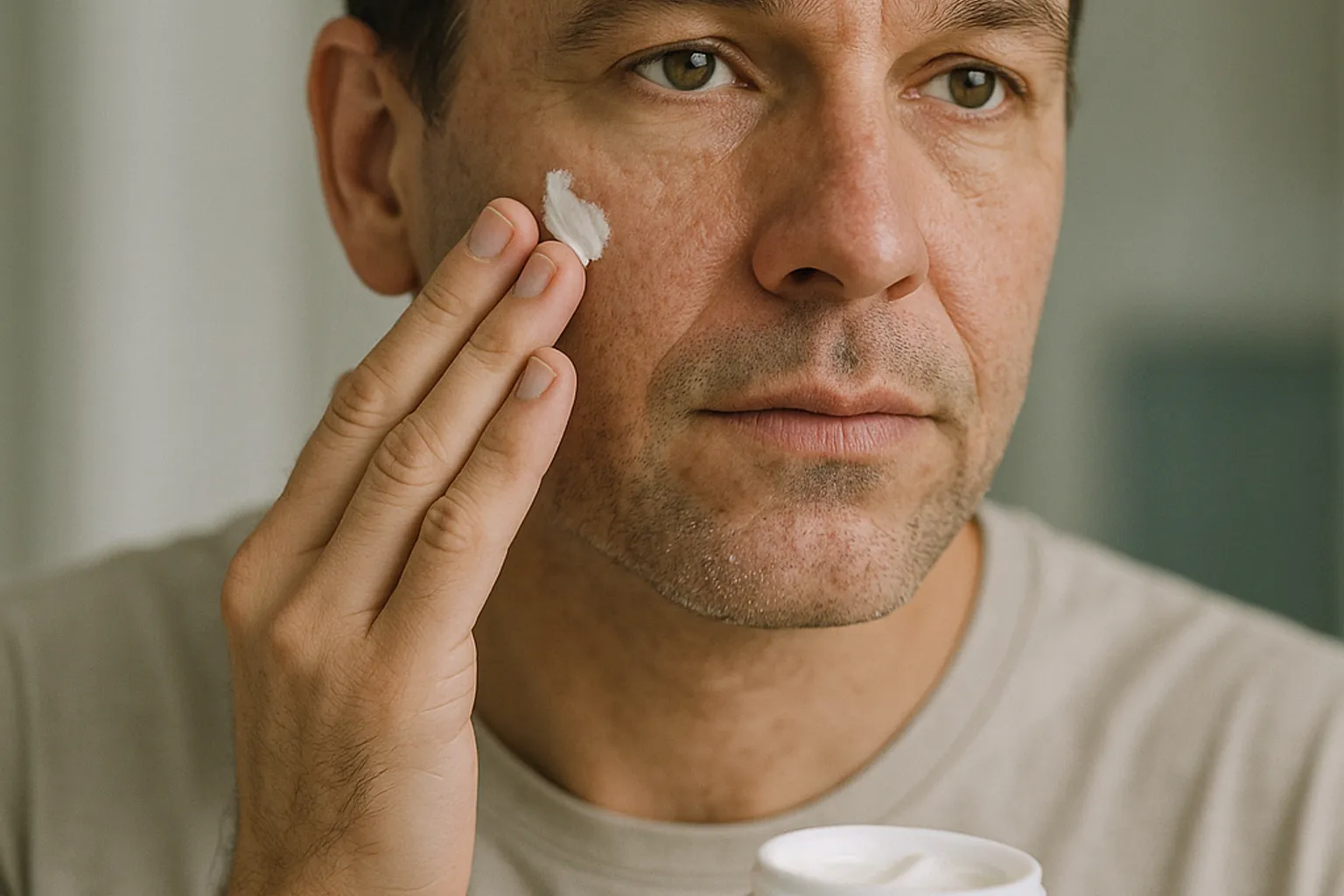
Regular moisturiser use is associated with less dryness in studies; no single ingredient appears to be mandatory.
Look for a trend over days to weeks. Skin that keeps worsening deserves a better explanation than the label barrier damage.
Evidence check
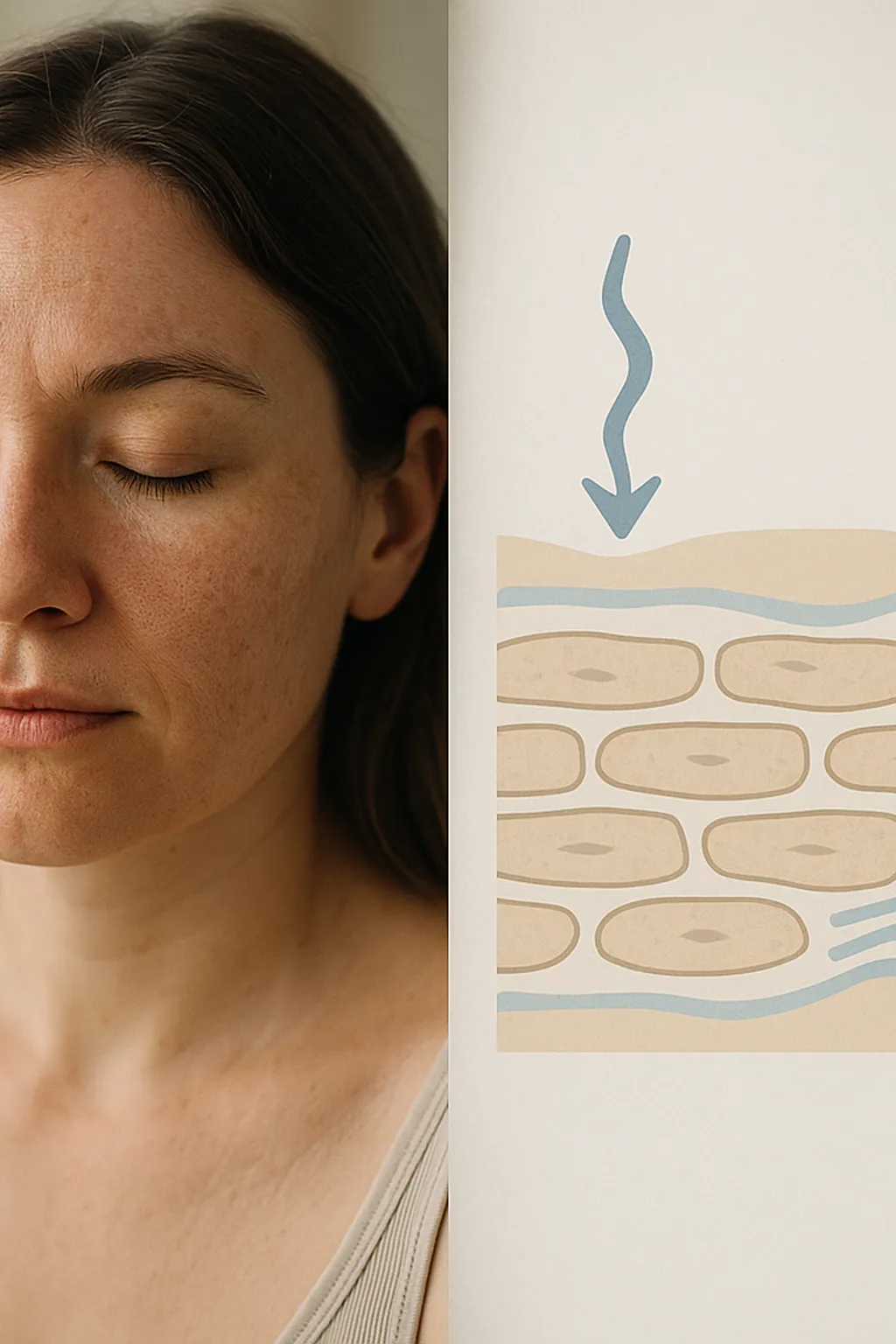
The outer skin layer limits water loss, and moisturisers containing humectants, emollients or occlusives are reported to improve dryness in clinical studies.
Most trials are small or short. Claims that one ingredient can fix a damaged barrier outrun the data, and stinging alone is not a diagnostic test.
No single ingredient appears to be required for everyone. Ceramides are physiologically relevant and may help in some formulas, but consistent moisturising is the more established habit.
Not necessarily. Stinging can accompany irritation or barrier disruption, but it is not a specific diagnostic test.
If skin is painful, blistering, spreading or not settling over a couple of weeks, a dermatologist or qualified clinician can look for other explanations.
Plain-language skin science, with the uncertainty left in. If your skin is painful, spreading or not settling, see a dermatologist or other qualified clinician.
Keep reading
skin-health
An evidence-led guide to skin-barrier repair: what the barrier does, what tends to help, how long recovery can take, and which product claims deserve more skepticism.
skin-health
A plain-language explanation of the skin barrier — what it is, what breaks it, and how to help it recover.
An evidence-led guide to skin-barrier disruption, common signs, and practical ways to support recovery without alarmist claims.
ingredients
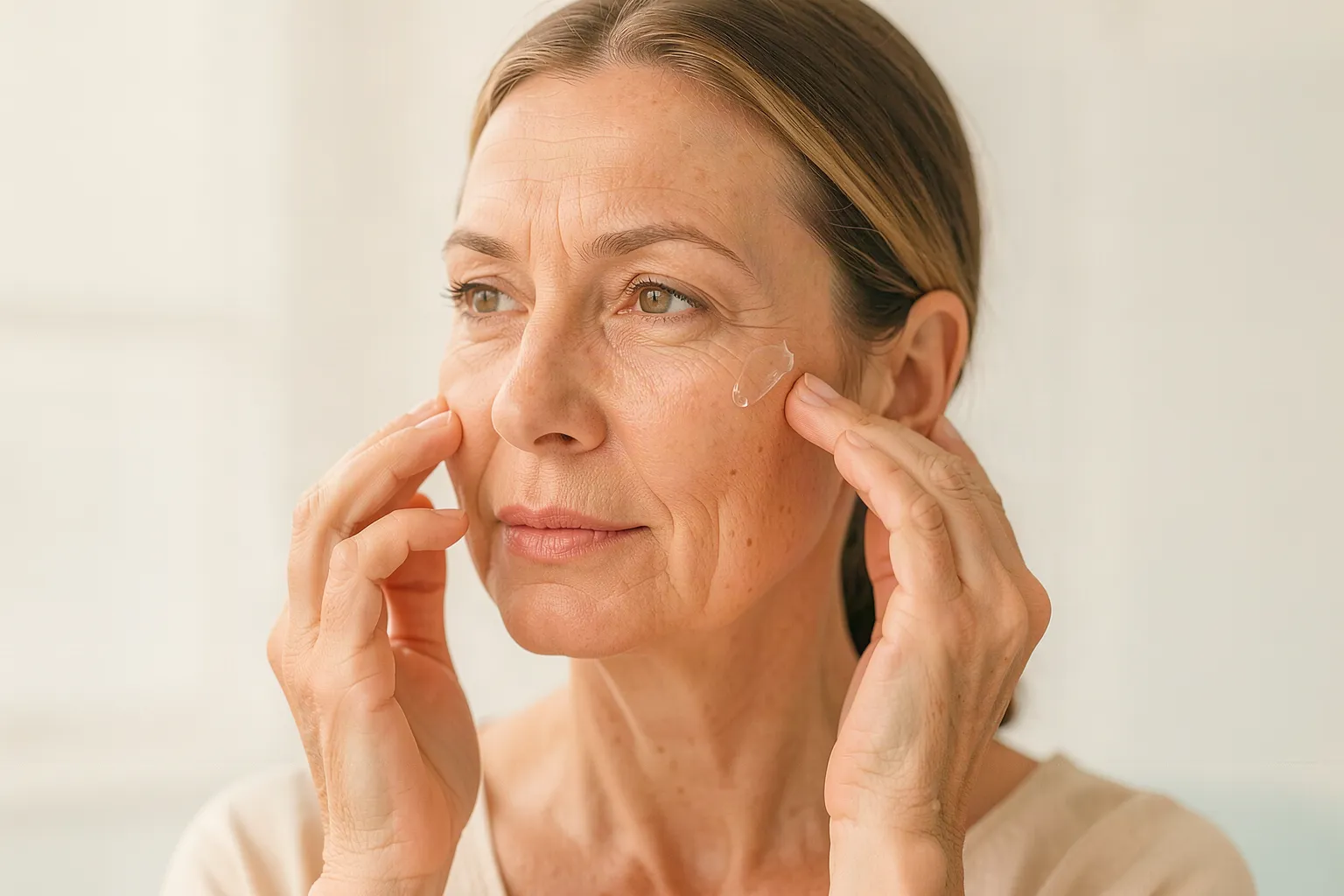
A plain-language, evidence-based explainer on niacinamide and the aging skin barrier: how it supports barrier function after 40, what studies actually show, and how to use it without irritation.
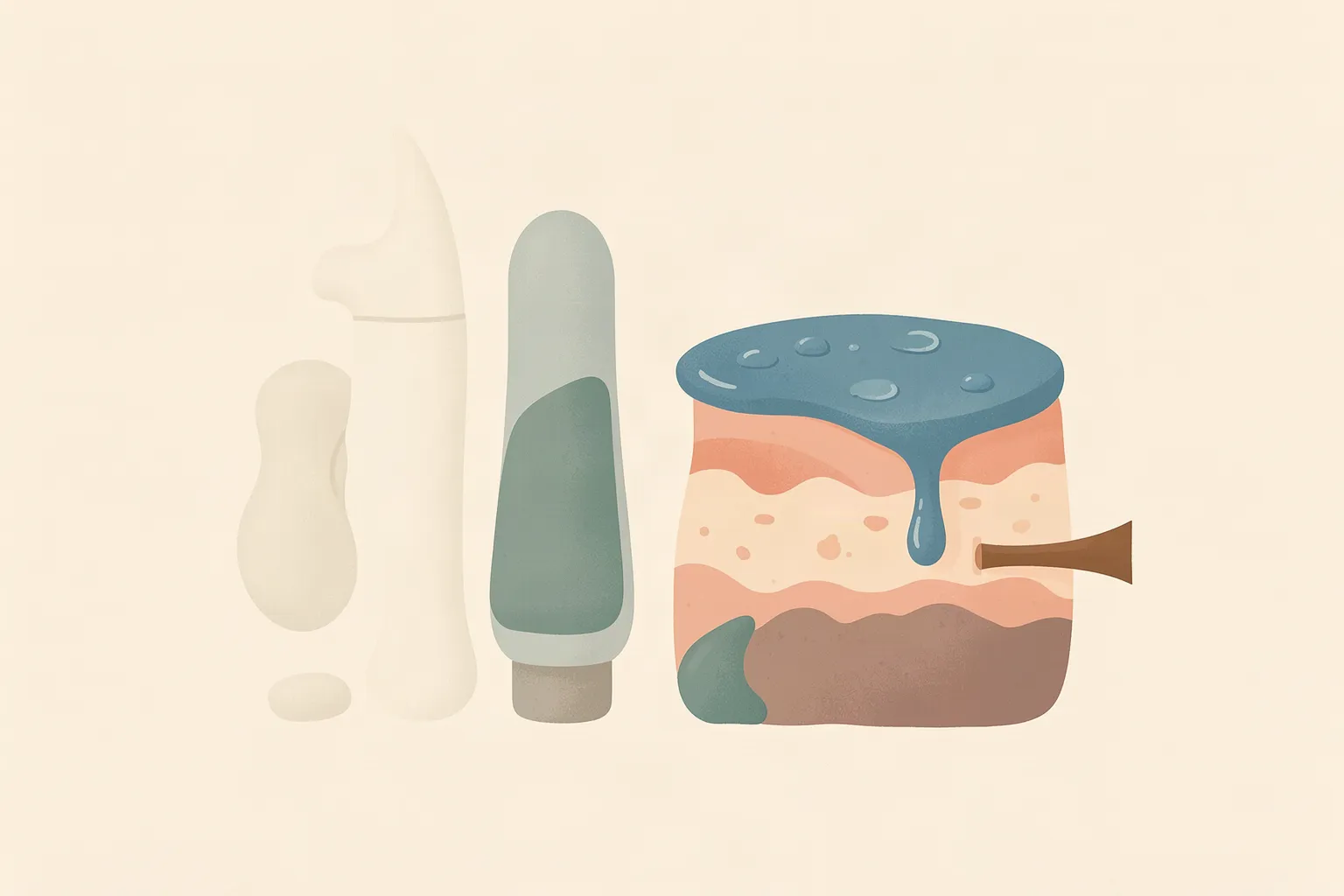
A clear guide to humectants, emollients, and occlusives: how they support the skin barrier, where common ingredients fit, and how to choose a moisturizer.
skin-health
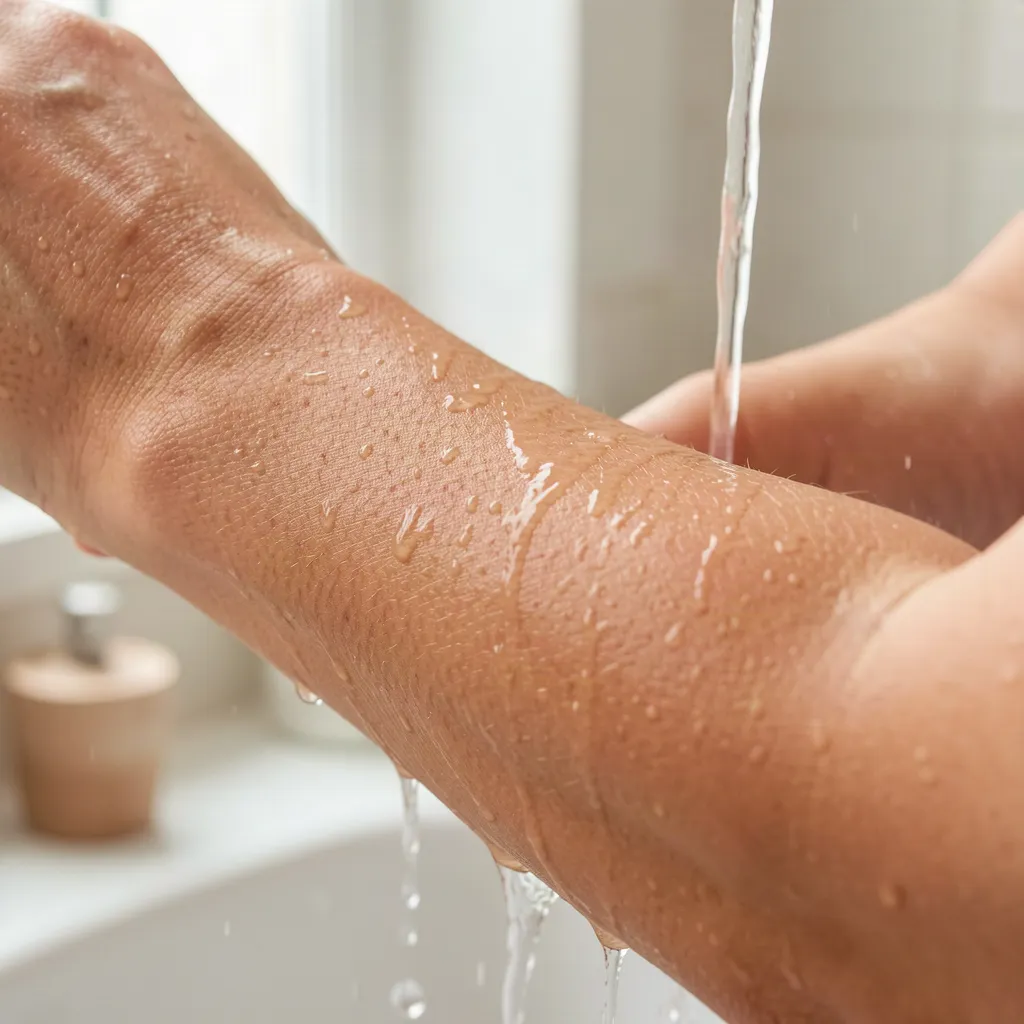
How hot water affects the skin barrier, why there is no universal safe shower temperature, and the simple after-shower routine that helps dry or reactive skin.